Creating the Ideal Tailored Produce Boxes: A Methodical Approach
Building specialized fruit and vegetable boxes demands a strategic approach. Professionals must examine sustainability, functionality, and visual appeal. Selecting the right components is vital for maintaining quality and supporting environmentally conscious practices. Additionally, dimensions and configuration can significantly impact usability and shipping effectiveness. Compelling graphics enhance brand identity, while thorough testing ensures longevity. Grasping these elements will uncover key insights into creating exceptional container strategies that appeal with consumers. What comes next is vital to achieving those targets.
Determining the Best Materials for Custom Produce Boxes
When picking materials for custom produce boxes, it is critical to assess both operational performance and environmental impact. The decision of material considerably affects the box's durability, weight, and ability to protect the contents. Common materials include corrugated cardboard, which supplies strength and is recyclable, making it a preferred choice for eco-conscious businesses. Biodegradable options, such as molded pulp or plant-based plastics, also support sustainable practices while offering sufficient protection for delicate produce.
Moreover, moisture resistance is necessary for keeping quality consistent, causing some vendors to investigate treated materials or specialized coatings. The aesthetic appeal of the box deserves consideration, since branding and visual presentation can determine consumer perception. Ultimately, the best option should balance between maintaining product integrity, engaging consumers, and meeting ecological requirements, confirming that performance and sustainable practices are emphasized within the development procedure.
How to Choose Size and Shape for Operational Use?
When determining the form and dimensions of custom produce boxes, careful assessment of produce measurements is crucial for proper storage. Additionally, attention to handling and transport can affect the box design, ensuring ease of movement. Maximizing storage space utilization further enhances functionality, allowing for efficient display and storage.
Examine Produce Dimensions Carefully
Selecting the right dimensions for produce boxes is crucial for operational performance and effectiveness. Precise evaluation of produce dimensions is critical, as it ensures that items fit securely without unnecessary room that could lead to damage during storage or transport. Custom boxes need to handle different forms, from delicate berries to bulky vegetables, while maintaining structural integrity. Additionally, the dimensions of the boxes should facilitate stacking and organization, maximizing space in storage areas. A properly constructed container not only protects the produce but also improves visual appeal for consumers. Ultimately, thoughtful evaluation of dimensions helps achieve waste reduction and enhancing overall user experience in the distribution network.
Examine Handling and Transport Procedures
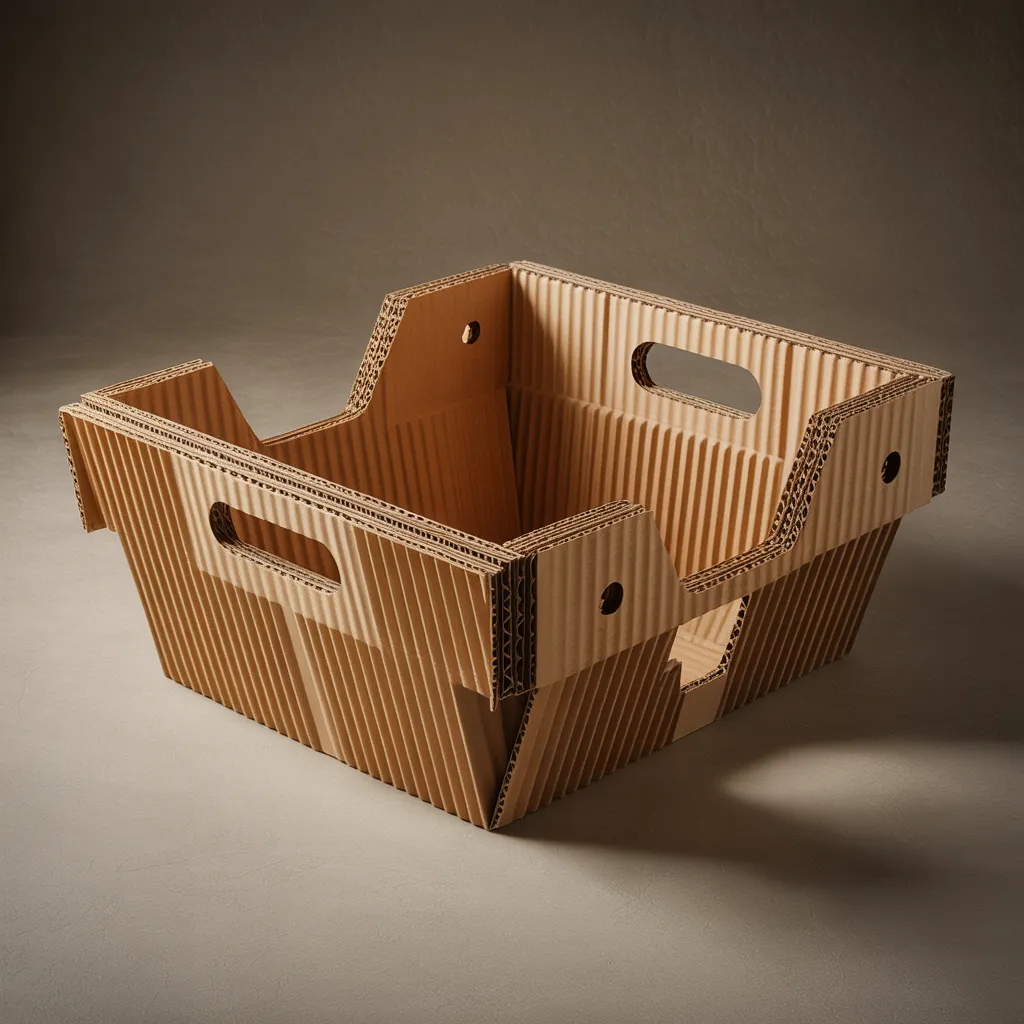
Handling and transport aspects play a significant part in defining the appropriate dimensions and shape of bespoke agricultural boxes. The dimensions must accommodate the produce with no excessive area, which could lead to shifting and damage in transport. Small boxes facilitate easier handling, while big containers may be essential to handle bulkier items. Also, thoughtful design remains important; handles and openings should be deliberately placed in order to enable easy hoisting plus transport. The form of the container equally determines arrangement and steadiness, ensuring which products stay intact. Ultimately, careful consideration of such components enhances the efficiency in shipping, decreases product loss, and supports the overall integrity of the produce beginning at farm to buyer.
Optimize Storage Space Utilization
Smart storage space management is based on establishing the fitting form and dimensions of custom storage containers. Developers should take into account the layout specifications of the shelving units as similar resource well as the types of produce being held. Standard-shaped boxes often solidify space efficiency, allowing for easier stacking and alignment. Alternatively speaking, irregular designs can amplify visual appeal but may lead towards unutilized gaps if not thoroughly considered.
It's vital to review the product rotation speed; quick-moving products might leverage compact, readily accessible boxes. Moreover, utilizing adaptable or modular frameworks can facilitate multiple sizes of produce while refining display organization. By stressing practical design with visual appeal, organizations can construct a functional and attractive display that improves both ease of access and product prominence.
How to Develop Graphics That Get Attention?
Striking graphics can convert a straightforward custom produce box into a visual masterpiece that captures focus. To achieve this, artists should begin by picking a color palette that demonstrates the crispness and vibrancy of the produce. Bold, attention-grabbing colors can trigger feelings of freshness and health, pushing consumers to take a deeper glance.
Bold typography is also essential; clear and legible fonts can successfully convey essential information while enhancing design attractiveness. Moreover, using superior photographs of the goods can form instant engagement, highlighting the item's caliber and enticing prospective customers.
Furthermore, adding original designs and artwork can assist in setting apart the brand in a crowded market. Steadiness in design elements, such as logos and taglines, reinforces brand identity. Ultimately, a combination of creativity and clarity in visual design can greatly boost the significance of custom produce boxes, making them shine on shelves.
Sustainable Practices for Custom Produce Box Protective Covering
A surging number of firms are taking up eco-friendly practices for custom produce box packaging, appreciating its importance in today's ecologically aware market. These protocols often include the use of degradable materials, such as recycled paper and plant-based plastics, which minimize environmental impact. Companies are also focusing on conscientious sourcing, verifying that materials are obtained from responsibly managed forests or suppliers who prioritize environmental stewardship.
In turn, numerous brands are going with understated formats that reduce waste while still efficiently promoting their products. This approach not only resonates with environmentally aware consumers but also helps in lowering production costs. Moreover, businesses are steadily applying effective manufacturing processes that minimize energy consumption and waste generation. By implementing these green practices, companies not only improve their brand image but also contribute positively to the planet, positioning their operations with a sustainable future.
Verify Your Custom Produce Box Configuration
Reviewing the design of bespoke vegetable packaging is an important phase in confirming they meet both aesthetic and performance-based standards. This process generally involves examining components such as robustness, size, and practical use. First, working models should be created to inspect the package's structural integrity, ensuring it is able to handle transportation and storage without affecting the contents.
Subsequently, usability evaluations can be initiated to determine how easily the boxes can be opened, closed, and positioned. Input from end users can be vital in this step, communicating understanding into the box's practicality.
In addition, the design's visual appeal should be validated through survey groups or focus panel discussions, analyzing consumer reactions to branding features, colors, and full design presentation.
Ultimately, thorough evaluation enables designers to refine the box, guaranteeing it not only attracts customers but also effectively protects and presents the produce within, striking the right balance between form and function.
Advertising Your Custom Produce Boxes Effectively
Impactful marketing of custom produce boxes requires a strategic approach that highlights their unique features and benefits. Companies must concentrate on pinpointing their intended customers, whether they are local farms, grocery stores, or individual consumers. Utilizing social networking sites can enhance brand awareness, presenting the boxes' design and practicality through compelling visuals and storytelling.
In addition, joining forces with local influencers or farmers can solidify credibility and increase visibility. Rolling out promotions or discounts during seasonal peaks can entice debut customers and motivate returning trade.
Additionally, highlighting environmental responsibility and green practices in promotional content can appeal to eco-aware buyers. Providing detailed information about material composition and the advantages of tailored packaging solutions can further differentiate the product in a competitive market.
In the end, a detailed marketing strategy that combines digital and neighborhood-level efforts will successfully advance custom produce boxes, engaging a mixed clientele and boosting sales.
Frequently Asked Inquiries
What Are the Costs Associated With Custom Produce Box Creation?
Fees concerning custom produce box design contain materials, printing, work hours, and freight. Also, design consultation and minimum order quantities can shape overall expenses, creating varying prices based on unique needs and production size.
What Time frame Is Needed to Produce Made-to-order Boxes?
Manufacturing of custom boxes generally requires two to six weeks. Important elements affecting this timeframe encompass design complexity, sourcing of materials, and manufacturing output, all of which may affect delivery schedules and delivery windows.
Is it Possible to Buy a Modest Volume of Custom Produce Boxes?
Yes, small quantities of tailored vegetable containers can typically be ordered. Many vendors offer base order requirements, allowing companies or people to obtain customized packaging options without having to pledge to large amounts at first.
What Frequent Mistakes Should You Dodge in Made-to-Order Box Creation?
Frequent errors in custom box design involve neglecting functionality, ignoring brand consistency, undervaluing material quality, failing to take into account target audience preferences, and disregarding environmental impact. Each aspect is essential for effective packaging and customer satisfaction.
How Do I Verify That My Boxes Are Safe for Food?
To ensure boxes are safe for food, one must select substances approved for food contact, avoid dangerous inks and adhesives, maintain cleanliness during production, and regularly test for compliance with health regulations and safety standards.